Understanding Sabong Games and the Role of PH02
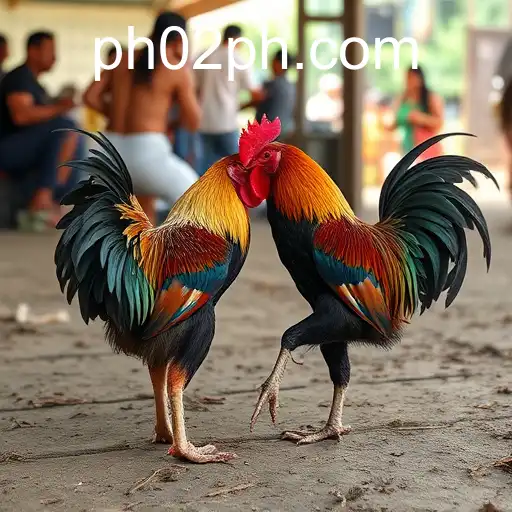
Sabong games, commonly known as cockfighting, have long been a significant cultural tradition in various parts of the world, especially in the Philippines. These games are not just seen as mere entertainment; they are a cultural phenomenon intertwined with local rituals, social gatherings, and even economic stimuli. In this article, we delve into the rich, intricate world of sabong games within the context of PH02, exploring their historical roots, cultural significance, and contemporary evolution.
The Historical Roots of Sabong
The tradition of sabong can be traced back several centuries. While its true origins are somewhat debated, most historians agree that cockfighting has been part of human culture since ancient times. In the Philippines, sabong holds a venerable place in the cultural tapestry, likely introduced to the archipelago during pre-colonial times. Over the centuries, it has evolved from a localized pastime into a major sporting event with modernized systems and global reach.
Cultural Significance of Sabong in the Philippines
In the Philippines, sabong is more than just a game. It represents a deep-rooted cultural heritage that binds various communities. For many Filipinos, attending sabong events is akin to participating in a communal gathering where social interactions and cultural exchanges occur. It plays a pivotal role in enhancing the social fabric, fostering a sense of community and belonging among the participants and spectators alike.
The sabong generation, deeply ingrained in Filipino society, thrives on familial traditions, where skills and strategies are passed down from one generation to the next. This trans-generational process of knowledge transfer adds to the depth of its cultural significance, ensuring that sabong remains a vibrant part of Filipino life.
The Role of PH02 in Sabong Games
When discussing sabong, one cannot omit the influence and importance of rules, regulations, and specific identifiers like PH02. The introduction of PH02 into the sabong lexicon signifies more than just a classification; it represents the modern complexities and categorization of sabong that ensure fair play and standardization.
PH02 typically denotes specific regulations or categories within the broader discussion of sabong events, ensuring that each match is conducted under comprehensive guidelines. This helps maintain the integrity of the games while also uplifting the standards to potentially align with international cockfighting events.
Standardizing the Sabong Games
The implementation of PH02 is part of a larger effort to standardize sabong practices globally. It provides a framework through which organisers can ensure that all participants adhere to the norms and safety protocols, thereby minimizing potential disputes and enhancing the experience for everyone involved.
Moreover, PH02 plays a crucial role in the breeding, training, and management of fighting cocks, providing a set of guidelines that inform best practices across all levels of sabong. The structured approach to training and conditioning birds ensures fair competition and maintains ethical standards in their treatment.
The Economic Impact of Sabong
Sabong games have a considerable economic impact, being a robust industry that supports various ancillary businesses. From breeders and trainers to local vendors and big-time sponsors, sabong has grown into a significant economic contributor. The integration of markers like PH02 streamlines the industry further, potentially enhancing economic returns and facilitating international collaboration.
Supporting Local Economies
One of the most notable impacts of the sabong industry is on local economies. Yearly, sabong festivals and events attract thousands of tourists, both local and international, who contribute to local revenue through their patronage of hotels, restaurants, and transport services. This influx of visitors provides businesses in host areas with a steady stream of income and opportunities for economic growth.
The influence of PH02 can also be seen in the way businesses adapt and align with the standards it sets. With clear guidelines and categories, businesses can confidently plan and invest in infrastructure that supports large-scale sabong events, ensuring they remain profitable and sustainable.
The Challenges Facing Sabong Today
Despite its cultural significance and economic benefits, sabong faces multiple challenges in the modern world. Primarily, there is growing scrutiny over the ethical treatment of animals and the bloodsport element of the games. Organizations aiming to protect animal rights often voice concerns regarding the welfare of the birds involved in these events.
Navigating Ethical Concerns
In response, there has been an increase in regulations and practices aimed at ensuring humane treatment of animals. PH02, for instance, advocates for these measures by setting rules that emphasize ethical treatment and maintenance of fighting cocks. This ongoing shift reflects a broader cultural change aimed at preserving tradition while aligning with modern ethical standards.
Moreover, the digital era presents new challenges and opportunities for the sabong industry. The rise of online betting and streaming services implies a need to adapt to technology while still upholding the integrity and essence of the game. Digital platforms present unique openings for growth, but they also require careful regulation to prevent exploitation and maintain fairness.
Conclusion
The world of sabong is complex and multi-layered, intricately linked to cultural heritage and economic wellbeing. The involvement of classification systems like PH02 in these games symbolizes a step towards modernization and global recognition. As sabong continues to evolve, it must balance tradition with innovation, addressing ethical concerns while enhancing its cultural and economic impact. Through thoughtful adaptation, sabong can continue to thrive as a cherished facet of Filipino life.